
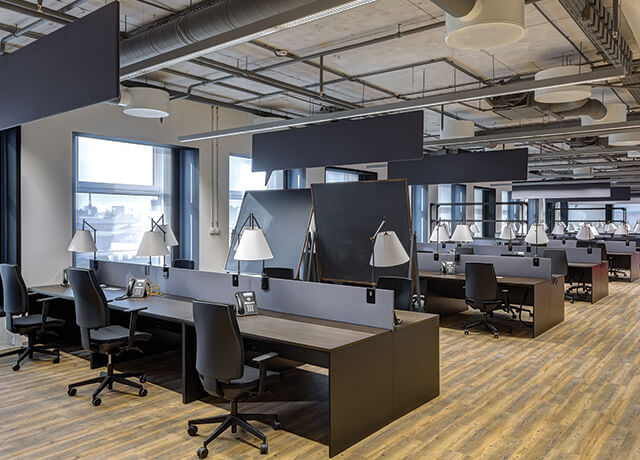

Overview
Shared office spaces bring flexibility, collaboration, and efficiency, but they also introduce new cleaning challenges that traditional offices don’t face. With multiple users rotating through the same desks, equipment, and common areas, maintaining consistent cleanliness becomes more complex. In this blog, General Facility Care LLC explores the unique cleaning challenges of shared office environments and how the right approach can keep these spaces clean, safe, and professional.
Highlights
- High-touch surfaces see constant use
- Shared responsibility creates cleaning gaps
- Flexible schedules disrupt cleaning routines
- Common areas become problem zones
- Cleaning needs change throughout the day
Introduction
Shared office spaces have changed how businesses operate. Whether it’s a coworking environment, a hybrid office, or a flexible workspace with rotating employees, these setups allow companies to make better use of space while supporting collaboration and productivity.
That said, there’s a tradeoff. When multiple people use the same workstations, equipment, and shared areas throughout the day, keeping the space consistently clean becomes much more challenging. Unlike traditional offices, where cleaning routines follow predictable patterns, shared environments introduce constant change.
That’s where many businesses run into problems. What looks clean in the morning may not hold up by midday. What worked in a traditional office cleaning plan often falls short in a shared environment.
High-Touch Surfaces See Constant Use
In shared office environments, surfaces don’t get much of a break. Desks, keyboards, phones, chair arms, door handles, and shared equipment are used by multiple people throughout the day, often in quick succession.
That constant turnover changes everything. In a traditional office, one person typically uses the same workstation for most of the day. In a shared setup, that same desk might be used by three, four, or even more people. Each interaction adds another layer of contact, increasing the likelihood of buildup and contamination.
Even when surfaces look clean, they may still carry bacteria or residue from previous users. This makes high-touch areas one of the most important focus points in any shared office cleaning plan.
What makes this especially challenging is the frequency. Cleaning once per day may not be enough in spaces where usage is constant. Without targeted attention to these high-contact areas, it’s easy for cleanliness to fall behind without anyone noticing right away.
Shared Responsibility Creates Cleaning Gaps
One of the biggest challenges in shared office spaces comes down to human behavior. When everyone uses the same space, it’s easy for responsibility to become unclear.
In traditional offices, employees often take some ownership of their workspace. They keep their desk organized, wipe down surfaces occasionally, and manage their immediate surroundings. In shared environments, that sense of ownership doesn’t always exist. People move in, use the space, and move out. The assumption is often that someone else will handle the cleanup.
You’ll often see small issues build up over time, including:
- Coffee spills left behind on shared desks
- Trash accumulating in common areas
- Smudges and fingerprints on glass and surfaces
- Workstations not cleaned between users
- Breakroom surfaces becoming cluttered and sticky
These issues don’t happen all at once. They develop gradually as small oversights add up. Before long, the space no longer feels as clean or professional as it should. Professionals help address this by creating structured cleaning plans that eliminate these gaps and ensure consistency, even when usage patterns vary.
Flexible Schedules Disrupt Cleaning Routines
Shared office spaces don’t run on a predictable clock, and that’s exactly what makes them appealing. Teams come in at different times, hybrid employees rotate throughout the week, and coworking environments may see a steady flow of people from early morning to late evening. That flexibility keeps businesses moving, but it also makes cleaning far more difficult to time correctly.
In a traditional office, you can clean at the end of the workday and expect the space to remain relatively consistent until the next day. In a shared environment, that window doesn’t really exist. The space is constantly in use, and that changes how cleaning needs to be approached.
In shared offices, the idea of a “start” and “end” to the day isn’t always clear. Some employees arrive before sunrise, others come in mid-morning, and some may work late into the evening. In coworking spaces, usage can feel almost continuous, and the variety of people using each space means sanitation becomes even more important.
That creates a situation where cleaning can’t simply happen once and be considered complete. A space that looks spotless early in the morning may already be heavily used by midday, or it might not have seen any use. By the afternoon, high-traffic areas like desks, conference rooms, and breakrooms may need attention again, especially if there has been a lot of user turnover. Without accounting for these changing needs, even a well-cleaned space can quickly lose its consistency.
Matching Cleaning to Real Usage Patterns
To keep shared office spaces consistently clean, timing needs to reflect how the space actually operates. That means looking beyond fixed schedules and focusing on when and where activity is highest.
Some areas may need attention during peak hours, while others can be cleaned less frequently. High-touch surfaces may require multiple cleanings throughout the day, especially in environments with constant turnover.
A more flexible approach helps close the gap between cleaning and usage. Instead of reacting after the fact, cleaning becomes part of the daily flow of the space.
Common Areas Become Problem Zones
Breakrooms, conference rooms, restrooms, and lounge spaces are used by everyone, which means they experience the highest traffic and the widest variation in how they’re used. These areas are constantly shifting in purpose depending on who’s using them and when. One moment, a breakroom is clean and organized. An hour later, it may be cluttered, with spills, crumbs, and surfaces that need attention again.
What makes these spaces especially challenging is the lack of consistency. Different people have different habits, and in shared environments, those habits don’t always align. Some employees take the time to clean up after themselves, while others move on quickly, assuming someone else will handle it later. With different people coming in and out, it’s also harder to enforce general policies.
Why Shared Spaces Break Down Faster
Take breakrooms as a clear example. One person may wipe down counters and dispose of waste properly, while another may leave dishes in the sink or spills on the counter. Over time, these small inconsistencies accumulate, leading to a noticeable drop in cleanliness that can happen faster than expected.
Conference rooms present a different but equally frustrating challenge. Meetings often run back-to-back, leaving little or no time to reset the space between groups. Tables, chairs, and shared technology like remotes or presentation equipment can quickly collect fingerprints, debris, and bacteria, especially during busy periods.
Restrooms and lounge areas follow similar patterns. High traffic combined with varied user habits makes it difficult to maintain a consistent standard without frequent attention. These aren’t spaces that can be cleaned once and left alone. Rather, they require a more proactive approach throughout the day.
Cleaning Needs Change Throughout the Day
Early in the day, the space may be clean and organized. By midday, high-traffic areas begin to show signs of use. By the end of the day, certain areas may need significant attention to bring them back to a clean, professional standard. That constant cycle creates a challenge. To stay ahead of these changes, businesses need to think beyond a single cleaning window.
Instead, they benefit from strategies that account for:
- High-traffic periods during the day
- Areas that see the most frequent use
- Shared equipment that requires regular attention
- Spaces that need a quick turnaround between users
Without this level of planning, it’s easy for certain areas to fall behind, even if the overall space appears clean at a glance.
Why a More Strategic Cleaning Approach Matters
Shared office spaces demand smarter cleaning strategies that align with real usage patterns. That means focusing on timing, prioritizing high-touch areas, and making sure the most heavily used spaces receive consistent attention throughout the day. A well-designed plan doesn’t treat every area the same. It targets the places that need it most and adjusts based on how the space is actually used.
When cleaning is approached this way, consistency becomes much easier to maintain, even in fast-moving, shared environments.
Keep Shared Workspaces Clean and Consistent
Shared office spaces offer flexibility and efficiency, but they also demand a higher level of attention when it comes to cleaning. Without the right plan in place, small issues can quickly accumulate and affect both the appearance of your space and the health of those using it.
Staying ahead of these challenges means taking a more thoughtful approach. By focusing on high-touch surfaces, closing responsibility gaps, and aligning cleaning schedules with real-world usage, businesses can maintain a clean, safe, and professional environment from morning through the end of the day.
General Facility Care LLC brings that level of consistency and care to every project. With a team of trained, certified professionals, advanced equipment, and a commitment to tailored service, we create cleaning plans designed around how your space actually operates. Call (813) 280-5300 now to get started!